Motorola DynaTAC 8800X: The Iconic Phone That Shaped Mobile History
Motorola DynaTAC 8800X
The Motorola DynaTAC 8800X was an important step in the evolution of Motorola’s legendary DynaTAC family. Introduced around 1990, it arrived at a time when mobile phones were becoming more sophisticated, more practical and gradually more accessible.
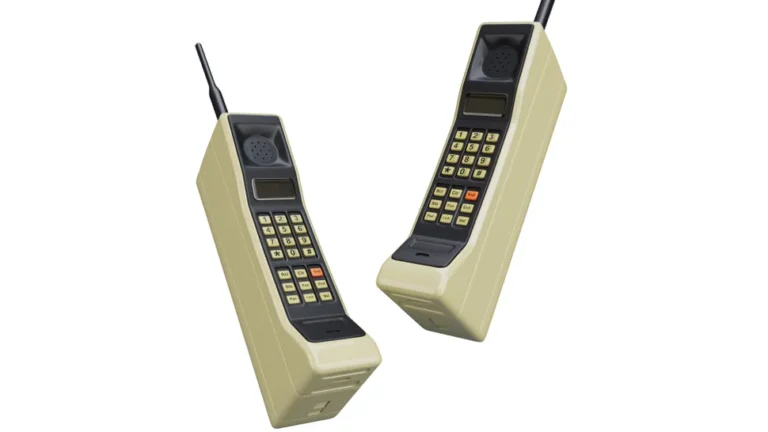
By this point, Motorola had already established the DynaTAC name as one of the most recognizable names in early cellular communication. The original DynaTAC 8000X had made history as the world’s first commercial handheld cellular phone, while later models such as the 8500X continued improving the concept.
The 8800X pushed that development further.
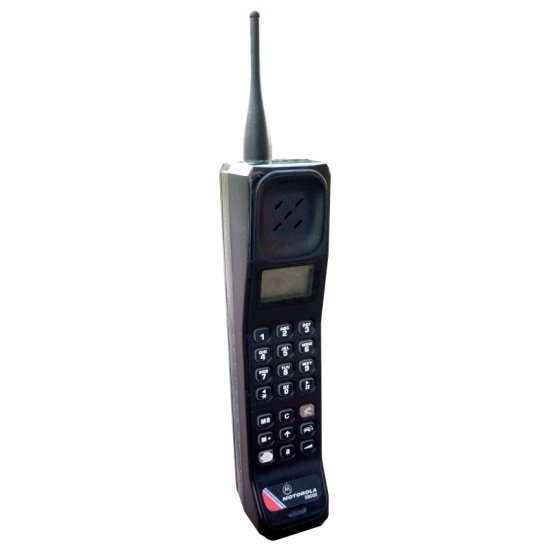
It offered a slimmer and lighter design than earlier DynaTAC models, improved display technology in later versions and support for several different analog cellular standards.
It was still a large phone by today’s standards, but compared with its predecessors, the 8800X showed how quickly mobile technology was changing.
The History of the Motorola DynaTAC 8800X
Motorola’s journey toward handheld mobile phones began decades before the 8800X.
In 1973, Motorola publicly demonstrated a working portable cellular telephone in New York City. Ten years later, the company received approval for the Motorola DynaTAC 8000X, creating one of the most important milestones in telecommunications history.
The DynaTAC family continued evolving throughout the 1980s.
The DynaTAC 8500X had already introduced improvements such as greater memory capacity and a more refined design.
By 1990, Motorola introduced the 8800X as a cost-reduced and feature-improved member of its DynaTAC product family.
The 8800X was particularly interesting because Motorola was able to make it noticeably thinner and lighter by using advances in component technology and manufacturing techniques developed during the company’s work on newer phones.
The result was a phone that still looked like a classic DynaTAC but represented a new stage in its development.
Motorola DynaTAC 8800X Overview
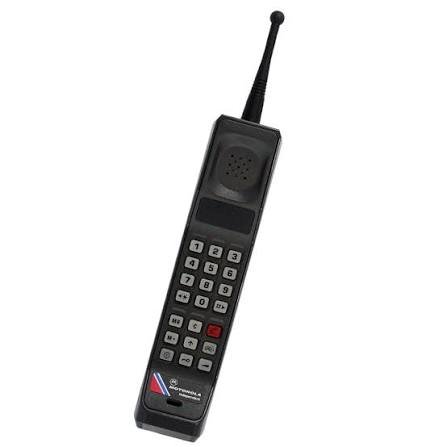
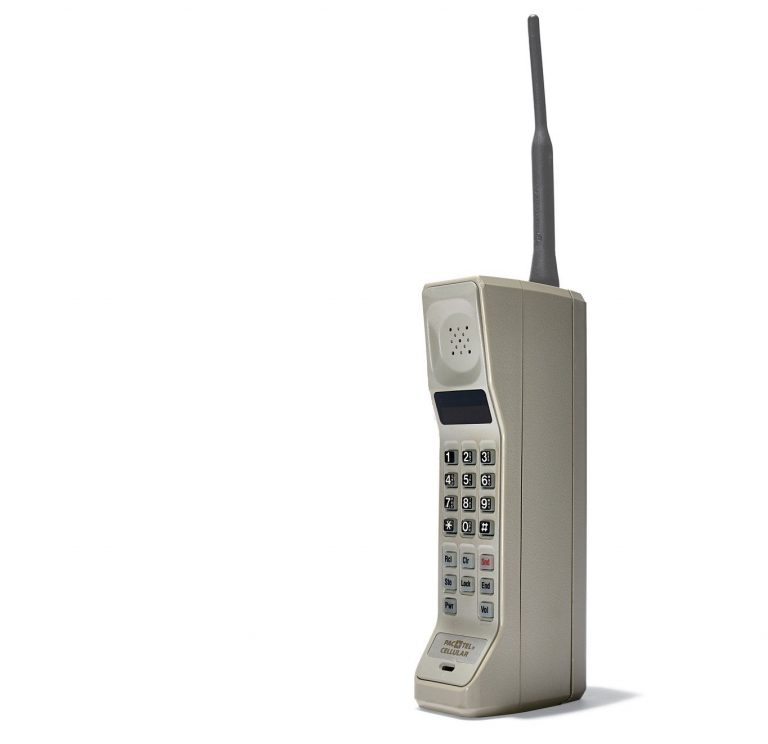
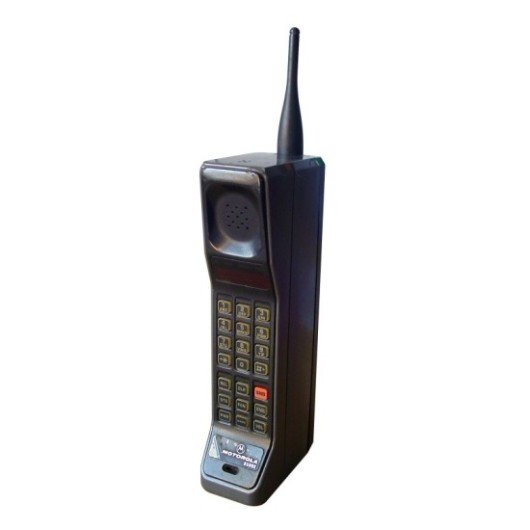
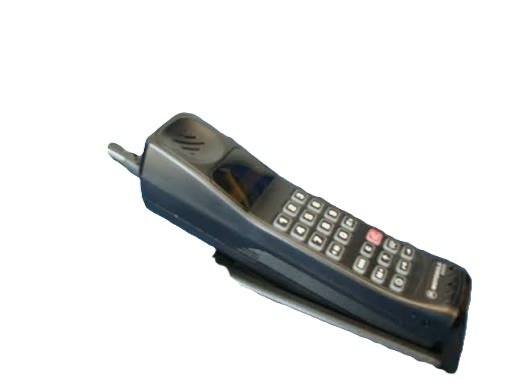
The Motorola DynaTAC 8800X retained the unmistakable rectangular design of earlier Motorola phones.
However, Motorola managed to reduce its size considerably.
Early versions featured a two-line red LED display, while later versions introduced a two-line LCD display. This was an important change because LCD technology allowed manufacturers to provide more information in a more efficient display format.
The phone was also approximately 20 mm thinner than the DynaTAC 8500X, demonstrating how quickly component miniaturization was progressing.
Different versions were produced for different cellular networks, including AMPS, ETACS, NMT and JTACS.
This allowed the 8800X family to be used across multiple markets around the world.
Motorola DynaTAC 8800X Specifications
| Specification | Motorola DynaTAC 8800X |
|---|---|
| Manufacturer | Motorola |
| Model | DynaTAC 8800X |
| Introduction | 1990 |
| Network | 1G analog cellular |
| Network versions | AMPS, ETACS, NMT, JTACS |
| Display | Two-line red LED or later LCD |
| Design | DynaTAC brick-style |
| Thickness | Approximately 20 mm thinner than 8500X |
| Battery | Rechargeable |
| Antenna | External |
| Keypad | Physical numeric keypad |
| Main functions | Voice calls, memory, call management and status information |
Specifications varied according to the specific regional version of the 8800X.
Design and Appearance
The Motorola DynaTAC 8800X looked like a classic early-1990s mobile phone.
It had a tall rectangular body, physical buttons, an external antenna and a large battery section.
However, compared with earlier DynaTAC models, its proportions were noticeably more refined.
One of its most important improvements was its reduced thickness.
Motorola was able to make the 8800X approximately 20 mm thinner than the 8500X, using improvements in electronic components and manufacturing processes.
That may not sound impressive today, but reducing the physical size of a mobile phone was a major engineering achievement at the time.
The early 8800X used a two-line red LED display.
Later versions moved to a two-line LCD display, providing a clearer and more modern interface for the period.
The keypad remained physical, with dedicated buttons for different phone functions.
There was still no touchscreen, graphical interface or smartphone-style operating system.
Everything had to be controlled through physical buttons.
Battery and Talk Time
Battery technology remained one of the biggest limitations of mobile phones during this period.
The DynaTAC 8800X required a relatively large rechargeable battery because cellular communication consumed considerable power.
This was completely different from modern smartphones, where lithium-ion batteries can power powerful processors, bright displays, cameras and wireless connections for many hours.
Early DynaTAC users also had to accept the physical size of the battery.
The battery was not simply a hidden component inside the phone.
It was an important part of the phone’s overall shape.
For mobile users in the early 1990s, carrying a large battery was considered a normal part of owning a cellular phone.
How Much Did the Motorola DynaTAC 8800X Cost?
Mobile phones were still relatively expensive products when the DynaTAC 8800X appeared.
Although prices had gradually fallen from the extraordinary cost of the first DynaTAC, owning a high-end Motorola cellular phone was still a significant investment.
The original DynaTAC 8000X had launched at approximately US$3,995, showing just how expensive early handheld cellular technology could be.
By the time the 8800X appeared, Motorola was moving toward more cost-effective designs.
The 8800X was described as a cost-reduced version of the DynaTAC family, helping make this type of technology more practical for a wider market.
Nevertheless, mobile phones were still far from being inexpensive everyday products.
For many people, owning one remained a symbol of business success, wealth and technological sophistication.
The First Mobile Phone Call
Although the 8800X itself was not responsible for the first handheld mobile phone call, it belonged to the DynaTAC family that made that historic moment possible.
On April 3, 1973, Motorola publicly demonstrated a portable cellular telephone in New York City.
Motorola engineer Martin Cooper used a DynaTAC prototype to make the historic call.
The demonstration showed that people could potentially carry a telephone with them instead of being tied to a fixed telephone line.
It would take another decade of development before Motorola’s commercial DynaTAC 8000X was approved in 1983.
The 8800X arrived later in this continuing story, when handheld cellular phones were becoming increasingly refined.
Network Technology
The Motorola DynaTAC 8800X belonged to the 1G era of mobile communication.
These early networks used analog cellular technology rather than the digital systems used by today’s 4G and 5G smartphones.
One interesting aspect of the 8800X was that Motorola produced versions for different network standards.
These included:
- AMPS
- ETACS
- NMT
- JTACS
This made the 8800X a genuinely international product family.
Different countries developed cellular networks using different technical standards, so manufacturers had to create versions of their phones specifically for different markets.
The 8800X demonstrated how mobile phone technology was becoming a global industry.
Why Was the DynaTAC 8800X Revolutionary?
The Motorola DynaTAC 8800X was revolutionary not because it introduced the world’s first handheld mobile phone, but because it demonstrated how quickly that technology was improving.
The first DynaTAC was enormous, expensive and limited.
The 8800X was thinner, lighter and more technologically advanced.
That progression was extremely important.
Mobile phones were moving from experimental technology toward products that ordinary consumers could eventually use more frequently.
The development of smaller electronic components was also beginning to transform the industry.
The 8800X showed that a mobile phone did not necessarily have to remain as large and heavy as the earliest DynaTAC models.
This trend would accelerate dramatically during the 1990s.
From the DynaTAC 8800X to the Modern Smartphone
The difference between the Motorola DynaTAC 8800X and today’s smartphone is enormous.
The 8800X was primarily a telephone.
A modern smartphone is effectively a portable computer that also happens to make phone calls.
Today’s smartphones can provide:
- High-speed internet
- Video calls
- Cameras
- GPS navigation
- Mobile applications
- Streaming video
- Music
- Social networks
- Digital payments
- Artificial intelligence
- Wireless charging
- Cloud services
The Motorola DynaTAC 8800X had none of these capabilities.
Its job was much simpler: connect people through cellular voice communication.
Yet that simple purpose was revolutionary at the time.
DynaTAC 8800X vs Modern Smartphone
| Feature | Motorola DynaTAC 8800X | Modern Smartphone |
|---|---|---|
| Era | Around 1990 | 2020s |
| Network | 1G analog | 4G/5G digital |
| Display | Red LED / LCD | Touchscreen |
| Input | Physical buttons | Touchscreen |
| Internet | No | Yes |
| Camera | No | Yes |
| GPS | No | Yes |
| Apps | No | Yes |
| Video | No | Yes |
| Digital payments | No | Yes |
| Main purpose | Voice communication | Communication and computing |
| Design | Large brick-style phone | Slim touchscreen device |
Interesting Facts About the Motorola DynaTAC 8800X
1. It Was Introduced in 1990
The Motorola DynaTAC 8800X entered the market around 1990, making it an early-1990s evolution of Motorola’s famous DynaTAC line.
2. It Was Thinner Than the 8500X
One of its most important physical improvements was its reduced thickness.
The early 8800X was approximately 20 mm thinner than the 8500X.
3. It Had Two Different Display Generations
Early versions used a two-line red LED display.
Later versions introduced a two-line LCD display.
4. It Was Made for Several Network Standards
Different versions supported cellular technologies including AMPS, ETACS, NMT and JTACS.
5. It Was Part of the Premium DynaTAC Family
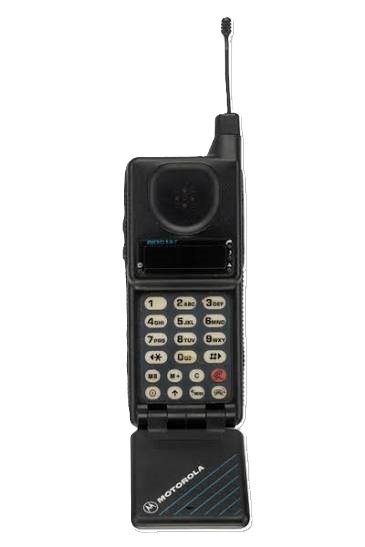
Before Motorola’s MicroTAC 9800X took over the company’s premium position, the 8000-series DynaTAC phones represented Motorola’s high-end portable cellular range.
6. It Benefited From MicroTAC Technology
Advances developed during Motorola’s work on the MicroTAC helped the company reduce the size and weight of the 8800X.
7. It Still Used an External Antenna
Unlike today’s smartphones, the phone had a visible antenna extending from the top of the device.
8. It Was Still an Analog Phone
Despite its advanced design for the time, the 8800X remained part of the first generation of analog cellular technology.
9. It Helped Make Mobile Phones Smaller
The reduction in size demonstrated the industry’s rapid progress toward smaller and more portable phones.
10. It Came Before the Smartphone Revolution
The 8800X appeared before mobile internet, app stores, touchscreen smartphones and modern digital cellular networks transformed the industry.
Frequently Asked Questions
When was the Motorola DynaTAC 8800X released?
The Motorola DynaTAC 8800X was introduced in 1990.
Was the DynaTAC 8800X smaller than the 8500X?
Yes. Early versions of the 8800X were approximately 20 mm thinner than the 8500X.
Did the DynaTAC 8800X have an LCD screen?
Some versions did. Early models used a two-line red LED display, while later versions introduced a two-line LCD.
Was the DynaTAC 8800X a 1G phone?
Yes. The DynaTAC 8800X belonged to the first generation of analog cellular phones.
What networks did the DynaTAC 8800X support?
Different versions were produced for network standards including AMPS, ETACS, NMT and JTACS.
Did the DynaTAC 8800X have internet access?
No. It was designed primarily for cellular voice communication.
Did the DynaTAC 8800X have a camera?
No. Mobile phone cameras appeared much later.
Was the DynaTAC 8800X a smartphone?
No. It was a traditional cellular telephone and had none of the computing capabilities associated with smartphones.
Why is the DynaTAC 8800X historically important?
It represents the continuing evolution of Motorola’s pioneering DynaTAC range and shows how rapidly early cellular phones were becoming smaller and more practical.
Is the Motorola DynaTAC 8800X collectible?
Yes. Historical DynaTAC models are interesting to collectors because they represent an important period in the development of handheld cellular communication.
The Legacy of the Motorola DynaTAC 8800X
The Motorola DynaTAC 8800X represents an important moment in the transition from the enormous first-generation mobile phones of the 1980s toward the smaller cellular devices that would dominate the 1990s.
It demonstrated that improvements in electronic components and manufacturing could dramatically reduce the physical size of a mobile phone.
The change was gradual at first.
Phones became thinner.
Displays improved.
Batteries became more efficient.
Keypads became easier to use.
Then the industry moved toward digital networks and increasingly sophisticated handsets.
The DynaTAC 8800X therefore sits between two important periods.
It still looked like the classic 1980s brick phone, but its engineering pointed toward the smaller and more advanced phones that would soon follow.
For collectors and mobile-phone historians, that makes the 8800X an especially interesting model.
Conclusion
The Motorola DynaTAC 8800X was more than another large mobile phone.
It represented the rapid evolution of handheld cellular technology around the beginning of the 1990s.
Compared with earlier DynaTAC models, it was thinner, more refined and available in versions supporting several different cellular standards.
Its early two-line LED display and later LCD versions also showed how mobile-phone interfaces were beginning to evolve.
Today, a device like the 8800X looks enormous and technologically primitive.
But in its time, it represented progress.
The phone helped demonstrate that cellular devices could become smaller and more practical without abandoning the fundamental DynaTAC concept.
From the original DynaTAC prototype demonstrated in 1973 to the commercial 8000X and then the 8500X and 8800X, Motorola’s development of handheld cellular technology helped create the foundation for the mobile world we know today.
The smartphone revolution would come later.
But phones like the DynaTAC 8800X helped build the road that led there.